
Reframing Research Through Editorial Systems
Context
Editorial Design + Content Marketing
Role
Sr. Brand & Marketing Designer
Timeline
Annual Campaign Rollout · 2026
Collaborators
Sr. Marketing Content Manager & Director of Brand & Comms

A more mature editorial direction designed to reposition the report as a flagship B2B research asset.

Modular layouts and infographic systems were designed to improve readability while supporting cross-channel adaptation.

The report system extended into digital environments through landing page graphics and campaign rollout assets.

Key findings were translated into modular social assets designed for accessibility, engagement, and self-serve marketing use.

The redesign shifted the report away from illustration-heavy layouts toward a more editorial and research-driven visual system.
Challenge
Xello’s annual research report required a more cohesive and scalable editorial system capable of supporting long-form readability, campaign rollout, and cross-channel adaptation. Previous iterations relied heavily on static layouts that limited flexibility across digital experiences, marketing assets, and future report editions. The challenge was to modernize the visual language while improving clarity, hierarchy, and modularity throughout the publication system.
Approach
The project approached the report as a broader content ecosystem rather than a standalone PDF. Modular layout structures, scalable information hierarchies, and flexible data visualization systems were developed to improve readability while supporting adaptation across digital campaigns, landing pages, social media, and presentation environments. The visual direction emphasized editorial pacing, cleaner typography systems, and clearer narrative flow throughout long-form content experiences.
System
Editorial Systems
Information Design
Data Visualization Frameworks
Campaign Rollout
Content Architecture
Deliverables
Editorial Report Design
Landing Page Graphics
Social Campaign Assets
Data Visualization Systems
Presentation Assets
Marketing Rollout
Capabilities
Editorial Design
Information Design
Content Systems
Campaign Design
Narrative Structure
Outcome
The final system created a more scalable and visually cohesive editorial experience that extended beyond the report itself into broader campaign and marketing environments. By treating layouts, charts, and information structures as modular components, the project improved flexibility across channels while creating a more engaging and accessible reading experience.
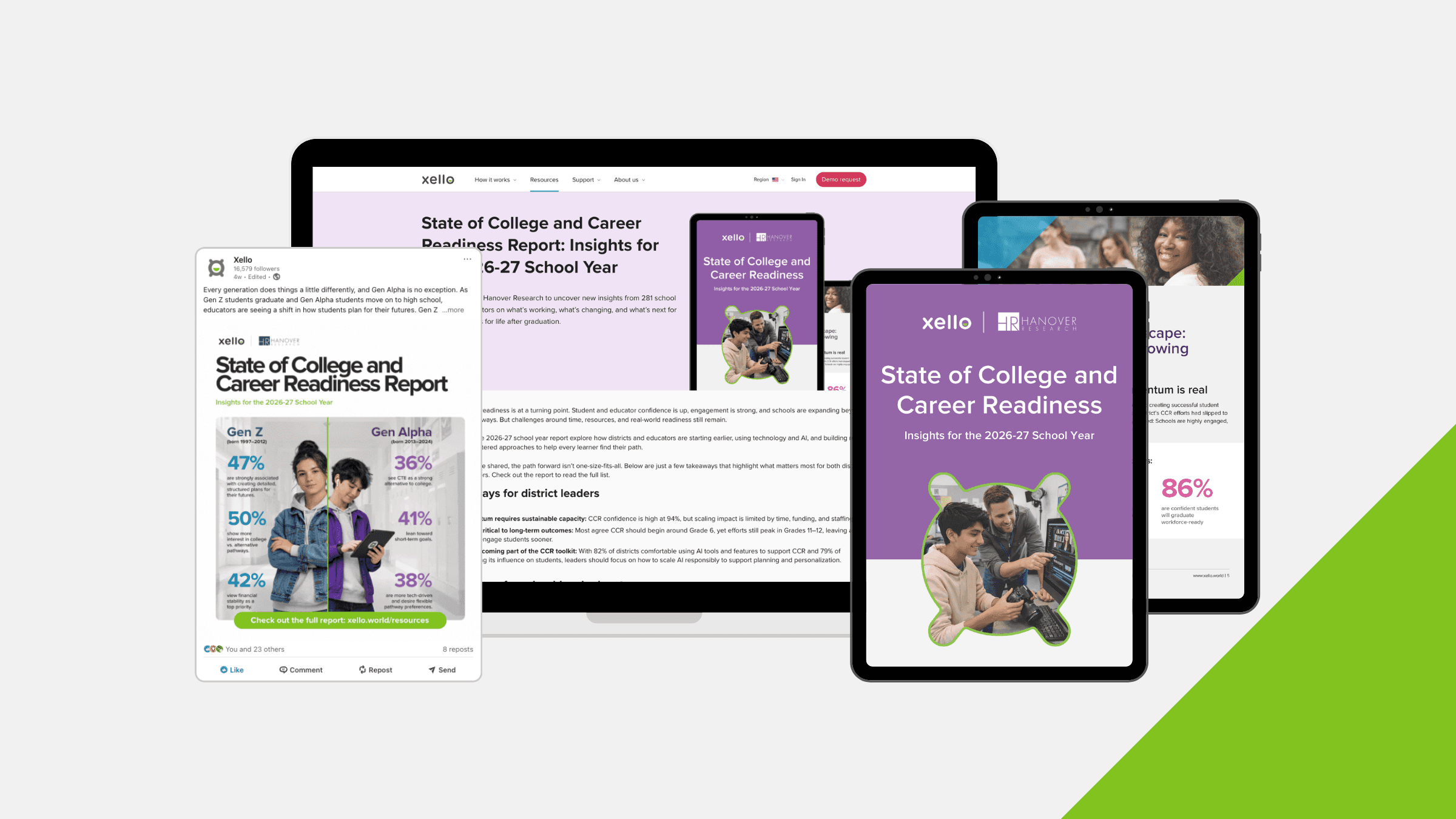
Report, social, landing page, promotional assets: every touchpoint was designed as part of one connected visual system.

The report was intentionally built in Canva using scalable template structures that enabled long-term self-serve marketing workflows.
Reflection
The project reinforced how editorial systems function as infrastructure rather than decoration. Strong information hierarchy, pacing, and modularity became essential not only for readability, but for allowing research-driven content to scale consistently across multiple formats, campaigns, and audience touchpoints.